
Baofeng UV-5R is a popular, affordable handheld transceiver, widely used by enthusiasts․ Numerous online resources, including the Internet Archive, offer free manual downloads for comprehensive guidance․
This device boasts dual-band functionality (VHF/UHF) and is supported by extensive documentation, like user manuals and annotated guides from sites like miklor․com․
The UV-5R’s accessibility is enhanced by readily available instructions, catering to both beginners and experienced radio operators, ensuring a smooth user experience․
What is the Baofeng UV-5R?
The Baofeng UV-5R is a handheld, dual-band (VHF/UHF) transceiver, a compact two-way radio gaining immense popularity among hobbyists, amateur radio enthusiasts, and professionals needing reliable communication․ As evidenced by resources like the Internet Archive, it’s frequently accompanied by detailed user manuals – readily available for free download, borrowing, or streaming․
This transceiver supports both FM radio and amateur radio operations, offering versatility in its application․ The device’s affordability, coupled with its wide range of features, makes it an attractive entry point into the world of radio communication․ Manuals detail functions like CTCSS and DCS codes, enhancing privacy and selective calling․ It’s a robust, portable unit designed for ease of use, as highlighted in various “for dummies” guides available online․
Key Features and Benefits
The Baofeng UV-5R boasts a compelling array of features, detailed in its readily accessible manuals․ Key benefits include its dual-band capability (VHF/UHF), allowing communication across a wider frequency range․ The inclusion of features like CTCSS and DCS codes, explained in user guides, enhances call quality and privacy․
Its affordability is a significant advantage, making it accessible to a broad user base․ The device’s compact and lightweight design ensures portability, while the robust construction promises durability․ Manuals also highlight the VOX functionality and adjustable squelch levels, offering customized user experience․ Online resources, like those found on the Internet Archive, provide annotated manuals for enhanced understanding and troubleshooting․
Intended Use Cases
The Baofeng UV-5R, as detailed in its user manuals, serves a diverse range of applications․ It’s popular among amateur radio enthusiasts for local communication and experimentation, with guides available online to aid in licensing and operation․ The device is also frequently utilized for recreational activities like hiking, camping, and outdoor adventures, ensuring group connectivity․
Security personnel and event staff often employ the UV-5R for reliable, short-range communication․ Its affordability makes it suitable for businesses requiring basic two-way radio systems․ Manuals emphasize responsible use and adherence to local regulations․ Resources like Hacker Public Radio offer insights into practical applications, while the Internet Archive hosts manuals for various skill levels․

Safety Information
User manuals stress crucial safety precautions, including RF exposure limits and proper battery handling․ Always review these guidelines before operating your Baofeng UV-5R․
Important Safety Precautions
Prioritize safety when using your Baofeng UV-5R․ The user manual emphasizes avoiding operation in hazardous environments and adhering to all local regulations regarding radio use․
Ensure the antenna is kept away from eyes and the body during transmission․ Never operate the radio while driving or performing tasks requiring full attention․
Regularly inspect the device for damage, and discontinue use if any issues are detected․ Keep the radio out of reach of children․ Modifications to the radio can void warranties and potentially create safety hazards․
Always use approved accessories and follow the manufacturer’s instructions for installation and operation․ Be mindful of your surroundings and practice responsible radio communication․
RF Exposure Limits
Understanding RF exposure is crucial for safe Baofeng UV-5R operation․ The manual details guidelines to minimize radio frequency (RF) energy absorption․
To ensure compliance, maintain a safe distance between the radio and your body during transmission․ This distance is particularly important at higher power levels․
The manual references established exposure limits set by regulatory bodies․ Using a headset or earpiece can significantly reduce RF exposure to the head and ears․
Avoid prolonged transmission times and operate within the specified duty cycle․ Regularly review the safety information in the manual to stay informed about best practices for minimizing RF exposure․
Battery Safety Guidelines
Baofeng UV-5R batteries require careful handling for optimal performance and safety․ The user manual emphasizes using only the specified battery type and charger․
Never short-circuit the battery terminals, as this can cause damage or even a fire․ Avoid exposing the battery to extreme temperatures, including direct sunlight or heat sources․
When storing the battery for extended periods, discharge it to approximately 40-60% to prevent degradation․ Always follow the charging instructions provided in the manual․
Dispose of used batteries responsibly, adhering to local regulations for battery recycling․ Do not attempt to disassemble or modify the battery pack under any circumstances․
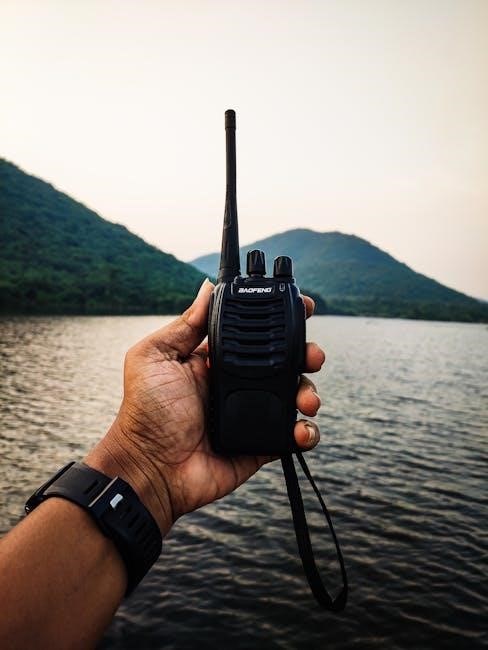
Unboxing and Components
The Baofeng UV-5R package typically includes the radio, antenna, battery, charger, belt clip, and a user manual, as detailed in online resources․
Verify all listed components are present upon unboxing, referencing the package contents checklist found within the provided documentation․
Package Contents Checklist
Confirming all items are present ensures a complete setup of your Baofeng UV-5R․ The standard package should contain the UV-5R handheld transceiver unit itself, providing the core functionality for communication․ A compatible antenna is included for signal transmission and reception, crucial for range and clarity․
You’ll also find a rechargeable battery pack, essential for powering the radio, alongside a dedicated battery charger to maintain optimal power levels․ A belt clip is provided for convenient portability, allowing hands-free operation․ Critically, the package includes a comprehensive user manual, offering detailed instructions and safety guidelines․
Finally, some packages may include an earpiece for discreet communication․ Referencing online resources, like the Internet Archive’s manual collection, can help verify the expected contents and troubleshoot any missing items․
Identifying the Parts
Familiarizing yourself with the Baofeng UV-5R’s components is key to effective operation․ The front panel features the display screen, providing channel information and status indicators, alongside control buttons for navigation and function selection․ The Push-to-Talk (PTT) button initiates transmissions, while the channel selector knob allows for quick frequency changes․
Locate the antenna connector, where the antenna attaches for signal transmission and reception․ The battery compartment houses the rechargeable battery pack, and the charging port accepts the dedicated charger․ The belt clip attachment point allows for secure portability․
Consulting the user manual, readily available online via resources like the Internet Archive, will visually aid in identifying each part and understanding its specific function within the transceiver․
Optional Accessories
Enhance your Baofeng UV-5R experience with a range of optional accessories․ A programming cable, readily available, enables custom channel programming via a computer, expanding functionality beyond factory settings․ Extended-capacity batteries provide longer operating times for extended use in the field․
Speaker microphones offer improved audio clarity and hands-free operation, ideal for discreet communication․ Replacement antennas can optimize signal reception and transmission range based on specific frequency needs․ Protective carrying cases safeguard the radio from damage during transport․
Resources like the Internet Archive and various online retailers showcase these accessories․ Exploring these options, detailed in user manuals, allows tailoring the UV-5R to individual requirements․
Installing Accessories

Accessory installation is straightforward, as detailed in the UV-5R manual․ Instructions cover antenna attachment, belt clip placement, and programming cable connection for optimal use․
Installing the Antenna
Attaching the antenna to your Baofeng UV-5R is a crucial first step for operation․ The user manual clearly illustrates this process, emphasizing a simple, screw-on connection․ Ensure the radio is powered off before proceeding․
Gently align the antenna’s base with the SMA connector on the radio’s top․ Rotate the antenna clockwise until it feels securely fastened – do not overtighten, as this could damage the connector․ A properly installed antenna is vital for optimal signal transmission and reception․
Different antenna lengths and types can affect performance; consult resources like online forums for guidance on selecting the best antenna for your needs․ Regularly check the antenna connection to ensure it remains secure during use․
Installing the Belt Clip
Securing the belt clip to your Baofeng UV-5R enhances portability and hands-free operation․ The manual details a straightforward installation process, utilizing screws located on the radio’s rear casing․
Position the belt clip over the designated screw holes, ensuring proper alignment․ Using a suitable screwdriver (often a small Phillips head), carefully tighten the screws until the clip is firmly attached․ Avoid excessive force, which could strip the screw threads or damage the radio housing․
The belt clip allows for convenient attachment to belts, pockets, or straps․ Regularly inspect the screws to confirm they remain tight, maintaining a secure hold․
Connecting the Programming Cable
Programming your Baofeng UV-5R requires a compatible programming cable, typically a USB-to-serial adapter․ Locate the programming port on the radio, usually a small connector on the side․ Align the cable connector with the port, ensuring correct orientation to prevent damage․
Gently insert the cable connector into the port until it’s securely seated․ Connect the USB end of the cable to a free USB port on your computer․ Your computer should recognize the cable as a serial device․
Install the necessary programming software (often CHIRP) and configure it to communicate with the radio via the correct COM port․ Refer to the software’s documentation for detailed instructions․
Understanding the Controls and Display
The Baofeng UV-5R features an intuitive front panel with buttons for power, channel selection, and volume․ The display provides crucial information, including frequency and mode․
Front Panel Overview
The Baofeng UV-5R’s front panel is designed for straightforward operation, despite its numerous functions․ Centrally located is the PTT (Push-to-Talk) button, essential for transmitting signals․ Above it resides the channel selector knob, allowing quick navigation through available frequencies․
The power/volume knob controls both device activation and audio output levels․ A dedicated monitor button enables listening to incoming signals even without a detected transmission․ The function button accesses advanced settings like VOX and CTCSS/DCS․
The LCD display showcases vital information, including the selected frequency, operating mode (VHF/UHF), signal strength, and battery level․ Understanding these controls and the display’s indicators is key to effectively utilizing the radio’s capabilities, as detailed in available user manuals․
Button Functions
The Baofeng UV-5R features several buttons, each with specific roles․ The PTT (Push-to-Talk) initiates transmission; releasing it returns the radio to receive mode․ The MONI button activates the monitor function, allowing you to listen for weak signals even without a detected carrier․
The FUNC key accesses the menu system, enabling adjustments to settings like squelch levels, VOX activation, and CTCSS/DCS codes․ The channel up/down buttons navigate through stored channels․ The power/volume knob serves a dual purpose, controlling both power on/off and audio volume․
Referencing the user manual is crucial for understanding the full range of functions accessible through these buttons, maximizing the radio’s potential and ensuring proper operation․
Display Icons and Indicators
The Baofeng UV-5R’s LCD display utilizes various icons to convey radio status․ A battery icon indicates remaining power levels․ TX/RX icons differentiate between transmitting and receiving modes․ A signal strength meter visually represents the received signal’s intensity․
Channel number displays the currently selected channel․ Icons also represent activated features like VOX or CTCSS/DCS encoding․ A keylock icon signifies that the buttons are locked, preventing accidental changes․ The band indicator (V/U) shows the current frequency band (VHF or UHF)․
Consulting the user manual provides a detailed explanation of each icon, enabling users to quickly interpret the radio’s operational state and troubleshoot potential issues effectively․
Basic Operations
The Baofeng UV-5R is straightforward to operate․ Powering on, channel selection, and volume adjustment are fundamental skills detailed in the readily available user manuals online․
Powering On and Off
To power on your Baofeng UV-5R, locate the power button, typically situated on the top of the unit․ Press and hold this button until the display illuminates, indicating the radio is active․ The screen will briefly show the model number and firmware version․
To power off the device, repeat the same process – press and hold the power button․ The display will show a shutdown sequence before completely turning off․ Ensure the radio is fully powered down when not in use to conserve battery life․
Referencing the user manual, available on resources like the Internet Archive, provides detailed illustrations and troubleshooting tips for power-related issues․ Always double-check that the battery is securely installed for reliable operation․
Selecting a Channel
To select a channel on your Baofeng UV-5R, utilize the channel selector knob located on the front panel․ Rotating this knob will cycle through the available channels, displayed numerically on the LCD screen; The currently selected channel is clearly indicated․
Alternatively, you can directly enter a channel number using the keypad․ Press the “Menu” button, navigate to the channel selection option, and input the desired channel number․ Confirm your selection to tune to that frequency․
Consult the comprehensive user manual, readily available online via the Internet Archive, for detailed instructions and diagrams․ Understanding channel selection is crucial for communicating on specific frequencies and avoiding interference․
Adjusting Volume
Adjusting the volume on your Baofeng UV-5R is straightforward, utilizing the volume control knob situated on the top of the radio․ Rotating the knob clockwise increases the volume, while counter-clockwise rotation decreases it․
The LCD screen typically displays volume level indicators, allowing for precise adjustment․ Begin with a low volume setting and gradually increase it to a comfortable listening level․ Be mindful of potential hearing damage from excessively loud audio․
Refer to the detailed user manual, accessible through resources like the Internet Archive, for specific guidance and troubleshooting tips․ Proper volume control ensures clear communication and protects your hearing․

Transmitting and Receiving
The Baofeng UV-5R facilitates clear communication through its transmit and receive capabilities․ Manuals detail proper usage of the PTT button for transmitting signals effectively․
Understanding these functions, as outlined in online resources, is crucial for successful operation and optimal radio performance․
Transmitting a Signal
To transmit a signal with your Baofeng UV-5R, first ensure you’ve selected the desired channel and understand any applicable frequency regulations․ Press and hold the Push-to-Talk (PTT) button located on the radio’s face․ While holding the PTT, speak clearly and directly into the microphone․
The manual emphasizes maintaining a proper distance from the microphone for optimal audio quality․ Releasing the PTT button ceases transmission․ Remember to monitor the channel before transmitting to avoid interference with ongoing communications․
Various online resources, including user guides available on the Internet Archive, provide detailed illustrations and explanations of the transmission process․ Always adhere to responsible radio operation practices and local laws․
Receiving a Signal
Receiving a signal on the Baofeng UV-5R is straightforward․ Begin by turning the radio on and selecting a channel․ Adjust the volume control knob to a comfortable listening level․ The radio will continuously scan the selected channel for activity․
When a signal is present, it will be audible through the speaker․ Utilize the squelch control to filter out unwanted background noise and improve clarity․ Numerous online manuals, found on platforms like the Internet Archive, detail squelch adjustment procedures․
Understanding display icons, as outlined in user guides, will indicate signal strength and activity․ Proper antenna connection is crucial for optimal reception․
Using Push-to-Talk (PTT)
The Push-to-Talk (PTT) button on the Baofeng UV-5R initiates transmission; Before transmitting, ensure you’ve selected the correct channel and understand any applicable privacy codes like CTCSS or DCS, detailed in the user manual․
Press and hold the PTT button to activate the microphone and begin broadcasting your voice․ Speak clearly and directly into the radio’s microphone․ Release the PTT button to cease transmission and return to receiving mode․
Online resources, including manuals available via the Internet Archive, emphasize the importance of proper PTT etiquette․ Avoid prolonged transmissions and monitor the channel before transmitting to prevent interference․

Advanced Features
The Baofeng UV-5R offers features like CTCSS/DCS codes for private communication and VOX for hands-free operation, explained in available manuals online․
Adjusting the squelch level minimizes background noise, enhancing signal clarity, as detailed in user guides from resources like the Internet Archive․
CTCSS and DCS Codes
CTCSS (Continuous Tone-Coded Squelch System) and DCS (Digital Coded Squelch) are sub-audible tones or digital codes used to filter out unwanted transmissions on shared frequencies․ The Baofeng UV-5R manual details how to program these codes, allowing users to communicate privately with others who have set the same tone or code․
Essentially, these systems act as a secondary filter, ensuring you only hear transmissions from radios using the identical CTCSS frequency or DCS code․ This is particularly useful in areas with high radio traffic, reducing interference and improving clarity․ The manual provides a comprehensive list of available CTCSS tones and DCS codes for programming into the radio․ Proper configuration, as outlined in the documentation, is crucial for effective and private communication․
Understanding and utilizing these features significantly enhances the UV-5R’s functionality․
VOX Functionality
VOX (Voice Operated Exchange) on the Baofeng UV-5R allows for hands-free operation․ As detailed in the UV-5R manual, VOX automatically transmits when it detects sound – your voice – eliminating the need to press the PTT (Push-to-Talk) button․ This feature is incredibly useful in situations where your hands are occupied․
The manual explains how to adjust the VOX sensitivity level, controlling how loud a sound is required to initiate transmission․ Lower sensitivity triggers transmission with quieter sounds, while higher sensitivity requires louder input․ Proper adjustment prevents accidental transmissions from background noise․
The Baofeng UV-5R manual provides clear instructions on enabling and configuring VOX for optimal hands-free communication․
Squlech Level Adjustment
Squelch controls the receiver’s sensitivity to weak signals, reducing unwanted static and noise․ The Baofeng UV-5R manual details how to adjust the squelch level, impacting audio clarity․ A lower squelch level allows reception of even faint signals, but also increases background noise․ Conversely, a higher squelch level filters out weaker signals, providing a cleaner audio experience when stronger signals are present․
The manual guides users through setting the squelch using the rotary knob on the radio․ Finding the optimal setting involves balancing signal reception with noise reduction․ Experimentation is key to achieving the best audio quality for your specific environment;
Proper squelch adjustment, as outlined in the UV-5R manual, significantly enhances communication effectiveness․