Mandatory instruction signs convey essential actions‚ like speed limits or yielding‚ crucial for safety and accident prevention. These signs dictate required behaviors.
What are Mandatory Instruction Signs?
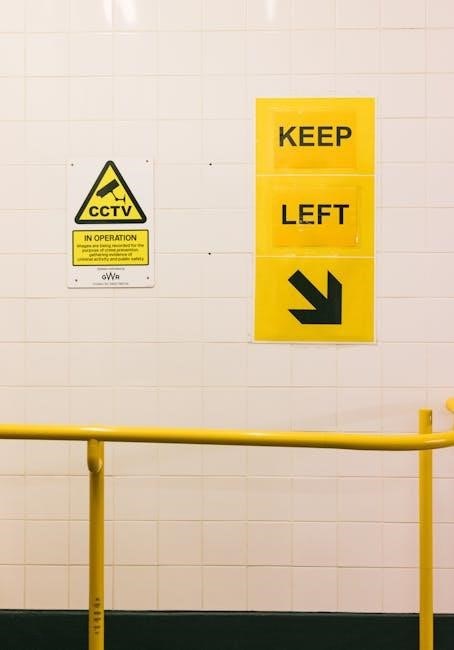
Mandatory instruction signs are visual directives communicating actions that must be followed. Typically‚ these signs feature a blue circle containing a white symbol‚ instantly signaling a requirement. Examples include instructions to wear eye protection‚ utilize specific pedestrian routes‚ or keep fire doors securely shut.
These aren’t suggestions; they are legally or practically enforced rules designed to ensure safety and order. Within specialized environments like airports‚ mandatory signs extend to runway designations and holding position indicators. They are distinct from warning or prohibition signs‚ focusing solely on what must be done‚ rather than what is dangerous or forbidden. Compliance is paramount for preventing accidents and maintaining operational efficiency.
The Importance of Compliance
Compliance with mandatory instruction signs is absolutely critical for maintaining safety across diverse settings. Disregarding these signs can lead to severe consequences‚ ranging from minor incidents to catastrophic accidents. In traffic‚ failing to yield or obey speed limits directly increases collision risks.

Within aviation‚ adherence to runway and holding position signs is paramount for preventing runway incursions and ensuring safe aircraft operations. In workplaces‚ following mandatory safety protocols‚ like wearing protective gear‚ minimizes injury risks. Essentially‚ these signs aren’t arbitrary; they represent established best practices and regulations designed to protect individuals and maintain order. Ignoring them undermines these safeguards.

Types of Mandatory Instruction Signs
Mandatory instruction signs encompass general directives‚ runway designations‚ holding position indicators‚ and “NO ENTRY” signs‚ each serving a specific regulatory purpose.
General Mandatory Signs (Blue Circle with Symbol)
General mandatory signs are easily identifiable by their distinctive blue circle featuring a white symbol. This universally recognized design communicates actions that must be taken. A common example is the white exclamation mark within the blue circle‚ often paired with supplementary fire instruction notices‚ indicating required procedures.
These signs aren’t limited to specific locations; they’re found across diverse environments‚ from roadways to workplaces and aviation facilities. They clearly instruct individuals on necessary actions‚ such as wearing eye protection or following a designated pedestrian route. The simplicity of the blue circle and white symbol ensures quick comprehension‚ promoting safety and compliance with regulations. They are fundamental for clear communication of required behaviors.
Runway Designation Signs (Airport Specific)
Runway designation signs are a critical component of airport mandatory instruction signage‚ ensuring safe aircraft operations. These signs clearly indicate the designated runway for takeoff and landing‚ utilizing the runway’s numerical designation. They are essential for pilots to correctly identify and utilize the appropriate runway‚ particularly during low visibility conditions or at complex airport layouts.
These signs fall under the broader category of mandatory instruction signs found at airports‚ alongside holding position signs and NO ENTRY signs. Proper adherence to runway designation signs is paramount for preventing runway incursions and maintaining air traffic control procedures. They are a vital element of airport safety protocols‚ directly impacting flight safety.
Category I‚ II‚ and III Holding Position Signs (Airport Specific)
Category I‚ II‚ and III holding position signs are vital mandatory instruction signs at airports‚ dictating where aircraft must stop before entering an active runway. These signs correspond to different levels of Instrument Landing System (ILS) capability‚ influencing visibility requirements and operational procedures. Category I is the lowest‚ while Category III allows for landings in near-zero visibility.
Compliance with these signs is non-negotiable‚ preventing runway incursions and ensuring safe separation between aircraft. They are part of a comprehensive system of airport signage‚ including runway designation and NO ENTRY signs. Pilots must acknowledge and adhere to the specific holding position indicated by the sign‚ based on their aircraft’s capabilities and air traffic control instructions.
Runway Holding Position Signs (Airport Specific)
Runway holding position signs are critical mandatory instruction signs found at airports‚ clearly indicating where pilots must halt their aircraft before entering a runway. These signs are essential for preventing runway incursions – a serious safety hazard. They utilize a distinctive orange background with white lettering‚ displaying “HOLD” along with runway designation information.
Pilots are legally obligated to comply with these signs‚ awaiting air traffic control clearance before proceeding onto the runway. These signs work in conjunction with other airport markings and lighting systems‚ creating a layered safety net. Proper adherence ensures safe and orderly aircraft movement‚ minimizing the risk of collisions and maintaining efficient airport operations.
NO ENTRY Signs (Restricted Access)
NO ENTRY signs represent a fundamental type of mandatory instruction sign‚ universally recognized for prohibiting access to specific areas. Typically featuring a red circle with a white horizontal bar‚ these signs unequivocally communicate that entry is forbidden. They are deployed in diverse settings‚ from roadways and construction zones to secure facilities and airport restricted areas.
Ignoring a NO ENTRY sign can lead to severe consequences‚ including accidents‚ security breaches‚ or legal penalties. These signs are vital for protecting personnel‚ property‚ and maintaining operational safety. Compliance is non-negotiable‚ ensuring that individuals respect designated boundaries and avoid unauthorized access‚ contributing to a secure environment.

Common Mandatory Instructions
Mandatory instruction signs frequently dictate speed limits‚ yielding requirements‚ and lane usage—like “Right Turn Only”—ensuring predictable and safe movement for all.
Speed Limit Signs
Speed limit signs are a fundamental type of mandatory instruction sign‚ universally recognized for regulating vehicular velocity. Typically displayed as a numerical value within a red circle‚ these signs clearly communicate the maximum permissible speed for a given roadway or section.
Compliance with speed limits is paramount for maintaining traffic flow and‚ most importantly‚ preventing accidents. Exceeding posted limits significantly increases the risk of collisions and the severity of injuries. These signs aren’t merely suggestions; they are legal mandates designed to protect all road users. Variations exist‚ including advisory speed limits for curves or inclement weather‚ but the core function remains consistent: to enforce safe speeds.
Yield Signs
Yield signs‚ a critical component of mandatory instruction signs‚ instruct drivers to prepare to stop if necessary‚ granting the right-of-way to traffic in the intersecting roadway. Characterized by a red and white inverted triangle‚ they demand awareness and cautious decision-making.
Unlike stop signs‚ yield signs don’t always require a complete halt. Drivers must slow down and assess the situation‚ yielding to vehicles or pedestrians already lawfully within the intersection or approaching closely. Failure to yield can lead to collisions. These signs promote a smooth and safe flow of traffic by establishing clear priority rules‚ preventing confusion and minimizing potential hazards at intersections.
Lane Usage Signs (e.g.‚ Right Turn Only)
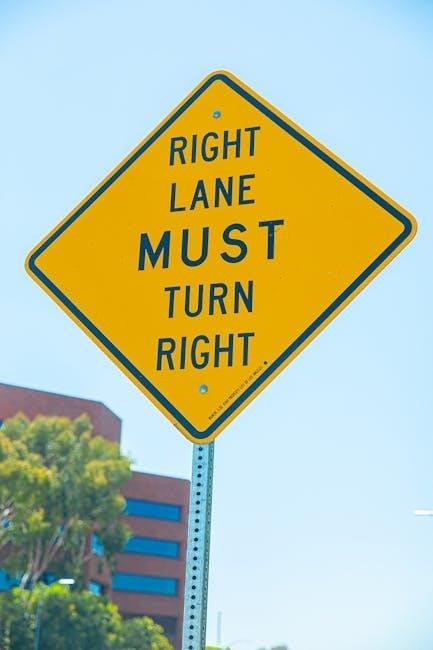
Lane usage signs fall under mandatory instruction signs‚ dictating specific movements permitted within a designated lane. A common example is a “Right Turn Only” sign‚ compelling drivers to execute a right turn from that lane‚ preventing straight or left movements. These signs are vital for managing traffic flow efficiently‚ particularly at intersections and complex road junctions.
Compliance ensures orderly lane discipline‚ reducing congestion and enhancing safety. Ignoring these signs can lead to collisions or disrupt the intended traffic pattern. They often feature a black arrow on a white background‚ clearly illustrating the permitted maneuver. These signs are crucial for guiding drivers and preventing confusion‚ especially in unfamiliar areas.
Pedestrian Route Signs
Pedestrian route signs are a critical subset of mandatory instruction signs‚ ensuring pedestrian safety by designating specific pathways. These signs‚ often depicting a walking person‚ instruct pedestrians to utilize designated routes‚ separating them from vehicular traffic. They are commonly found near roadways‚ construction zones‚ and within transportation hubs like airports and train stations.
Adherence to these signs minimizes the risk of pedestrian-vehicle collisions and promotes organized movement. They frequently appear alongside warnings about potential hazards. These signs are essential for vulnerable road users‚ guiding them safely through potentially dangerous environments. Clear and visible pedestrian route signage is a fundamental aspect of comprehensive safety planning.
Mandatory Signs in Different Environments
Mandatory instruction signs are vital across traffic‚ aviation‚ and workplaces‚ ensuring compliance with safety regulations and guiding behavior in diverse settings.
Traffic and Roadways
Mandatory instruction signs are exceptionally prevalent in traffic and roadway environments‚ directly influencing driver and pedestrian actions. These signs enforce rules like speed limits‚ ensuring safe vehicular movement and minimizing accident risks. Examples include “Yield” signs‚ compelling drivers to give way‚ and “Lane Usage” signs‚ dictating permitted maneuvers such as “Right Turn Only.”
Furthermore‚ signs prohibiting certain actions‚ like “No Left Turn” or “No U-Turn‚” fall under this category‚ maintaining traffic flow and preventing dangerous situations. These signs aren’t merely suggestions; they represent legal obligations‚ and non-compliance can result in penalties. Their clear design and strategic placement are essential for effective communication and road safety.
Airports and Aviation
Mandatory instruction signs are critically important within airport and aviation environments‚ ensuring safe aircraft and ground operations. These signs include specific types like runway designation signs‚ clearly identifying each runway for pilots; Category I‚ II‚ and III holding position signs dictate where aircraft must stop before entering a runway‚ based on visibility conditions.
Runway holding position signs generally mark where aircraft must halt‚ and NO ENTRY signs restrict access to specific areas. At uncontrolled airports‚ extra caution is advised‚ relying heavily on these mandatory signs. Compliance is paramount‚ as misinterpreting or ignoring these signs can lead to serious incidents and compromise aviation safety.
Workplace Safety
Mandatory instruction signs play a vital role in maintaining safe working conditions across diverse industries. These signs clearly communicate required actions to protect employees from hazards. Examples include directives like “Eye protection must be worn‚” ensuring personnel utilize necessary personal protective equipment (PPE). Other common signs mandate specific routes for pedestrians‚ directing them away from dangerous machinery or traffic.
Furthermore‚ signs like “Fire door keep shut” are crucial for emergency preparedness. The general mandatory sign – a white exclamation mark within a blue circle – often accompanies specific fire safety instructions. Adherence to these signs minimizes risks and fosters a culture of safety within the workplace.
Understanding Sign Categories
Mandatory instruction signs fall into broader categories: prohibition‚ warning‚ mandatory‚ and emergency‚ each serving a distinct purpose in conveying safety information effectively.
Prohibition Signs (What Not To Do)
Prohibition signs‚ easily identified by a red circle with a diagonal line through a symbol‚ clearly communicate actions that are not permitted. These signs are vital for preventing unsafe behaviors and maintaining order in various environments. They directly contrast with mandatory instruction signs‚ which dictate what must be done.
Examples include “No Left Turn” or “No U-Turn” signs‚ restricting specific maneuvers. These aren’t merely suggestions; they are legally enforced directives. Ignoring a prohibition sign can lead to fines‚ accidents‚ or other serious consequences. The clarity of the red circle and crossed-out symbol ensures immediate understanding‚ even for individuals with limited language skills‚ making them a universally recognized safety feature. They are essential components of a comprehensive safety system.
Warning Signs (Potential Hazards)
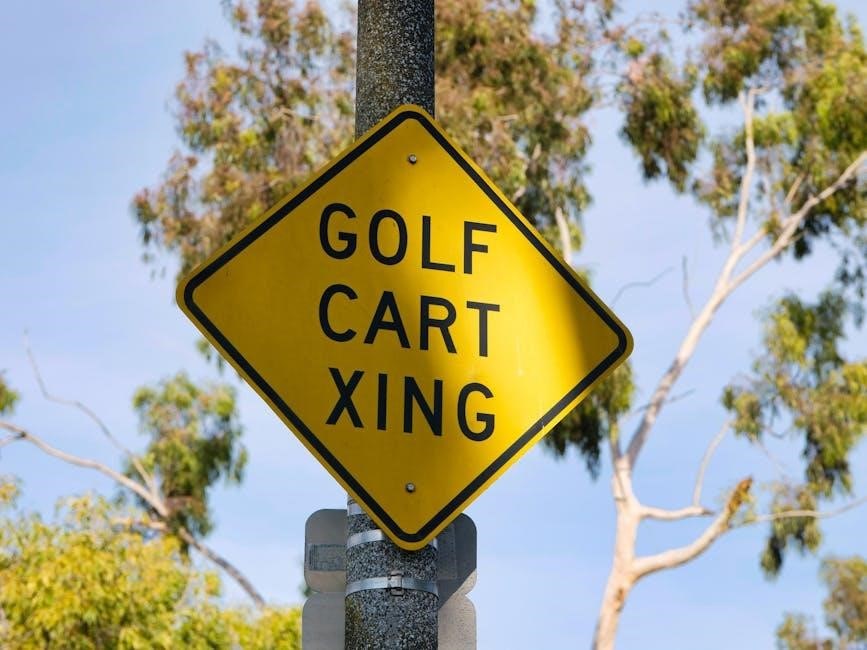
While distinct from mandatory instruction signs which tell you what to do‚ warning signs alert you to existing or potential dangers. Typically featuring a yellow background with a black symbol or text‚ they prepare individuals for hazardous conditions requiring caution. These signs don’t prohibit or require action‚ but rather encourage preventative measures.
Examples include signs indicating sharp curves‚ pedestrian crossings‚ or slippery road surfaces. They aim to minimize risk by increasing awareness. Effective warning signs provide sufficient time for a driver or pedestrian to react appropriately. They are a crucial element of a proactive safety strategy‚ complementing both prohibition and mandatory signage to create a safer environment for everyone.
Emergency Signs (Safety Equipment & Exits)
Emergency signs‚ though differing from direct mandatory instruction signs‚ are vital for safety during critical situations. Often featuring a red background‚ these signs clearly indicate the location of essential safety equipment – like fire extinguishers or first aid kits – and‚ crucially‚ emergency exits. Their purpose is to facilitate a swift and safe evacuation or response to an incident.
These signs are designed for immediate recognition‚ even in stressful conditions. Clear‚ universally understood symbols are paramount. While not instructing a specific action in normal circumstances‚ they become mandatory to heed during an emergency. Proper placement and illumination are essential for their effectiveness‚ ensuring everyone can locate safety resources quickly.
Sign Standards and Regulations
Mandatory instruction signs adhere to international standards like ISO‚ alongside specific national and local regulations‚ ensuring consistency and clear communication globally.
International Standards (e.g.‚ ISO)
Mandatory instruction signs benefit from globally recognized standards‚ notably those established by the International Organization for Standardization (ISO). These standards aim to harmonize safety signage across borders‚ promoting universal understanding regardless of language or cultural background. ISO standards define specific colors‚ shapes‚ and symbols for various sign categories‚ including mandatory actions.
The consistent use of a blue circle containing a white symbol‚ for instance‚ universally indicates a required action. This standardization minimizes confusion and enhances safety in diverse environments‚ from roadways to airports and workplaces. Adherence to ISO guidelines ensures that mandatory signs are easily recognizable and interpreted correctly by individuals worldwide‚ contributing to a safer global environment.
National and Local Regulations
While international standards like ISO provide a foundational framework‚ mandatory instruction signs are often subject to specific national and local regulations. These regulations may supplement or modify ISO guidelines to address unique regional needs and legal requirements. For example‚ a country might mandate specific wording or symbol variations on signs to ensure clarity for its population.

Local authorities frequently oversee the placement and maintenance of these signs within their jurisdictions‚ ensuring compliance with established codes. These regulations cover aspects like sign size‚ reflectivity‚ and mounting height. Adhering to both international standards and local laws is crucial for ensuring the effectiveness and legal validity of mandatory signage systems.

Future Trends in Mandatory Signage
Mandatory instruction signs are evolving with digital signage and dynamic messaging‚ offering real-time updates and improved clarity for enhanced safety and control.
Digital Signage and Dynamic Messaging
The integration of digital signage represents a significant leap forward for mandatory instruction signs. Unlike static signs‚ digital displays offer the flexibility to update instructions in real-time‚ responding to changing conditions like weather‚ traffic flow‚ or airport operations. This dynamic messaging capability is particularly valuable in complex environments.
For example‚ speed limits can be adjusted based on visibility‚ or lane usage can be altered to manage congestion. Airports can utilize dynamic signs to communicate runway closures or holding position requirements instantly. Furthermore‚ these systems can incorporate multilingual support‚ enhancing accessibility for a diverse population. The ability to remotely monitor and manage these signs also improves efficiency and reduces maintenance costs‚ ultimately contributing to a safer and more responsive environment.